
When people talk about Supported Independent Living (SIL), they often focus on the support workers, funding, or daily assistance. Those things matter, but there is another part that deserves just as much attention. The home itself.
Think about how much your surroundings shape your day. A kitchen that’s easy to use makes cooking feel less like a chore. A quiet bedroom helps you rest. Wide walkways make moving around simple instead of stressful. The same idea applies to people living with disability. The right environment doesn’t just provide a roof over someone’s head. It helps them feel comfortable, capable, and respected.
That is why choosing the right SIL home is about much more than finding available accommodation. It is about creating a place where people can enjoy everyday life with confidence while receiving the support they need.
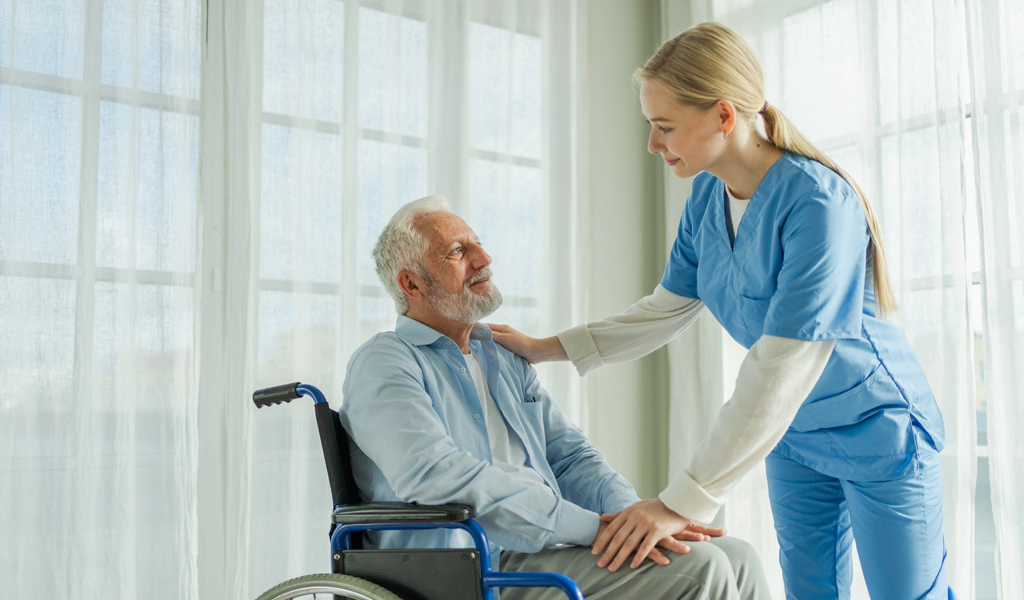
A Home Should Feel Like Home
Everyone deserves to feel a sense of belonging when they walk through their front door. A SIL home should never feel clinical or institutional. It should feel warm, welcoming, and personal.
Some people enjoy bright, open living spaces where they can spend time with housemates. Others value a quiet room where they can relax after a busy day. Good SIL homes recognise that people have different preferences and make room for those choices.
Something as simple as displaying family photos, choosing favourite colours, or arranging furniture the way someone likes can help create a stronger connection with the home. These small details remind people that this is their space, not just a place where they receive support.
Independence Starts With Everyday Tasks
Most people don’t think twice about making breakfast, doing the washing, or getting ready for work. For someone living with disability, those same tasks may depend on how well the home supports them.
Imagine preparing lunch in a kitchen where cupboards are too high to reach or moving through narrow hallways with a wheelchair. Even routine activities become frustrating.
Now picture a home designed with accessibility in mind. Benches sit at practical heights. Doorways provide enough room to move comfortably. Bathrooms include the right fittings to make personal care safer. Suddenly, everyday tasks feel much more manageable.
This is what good SIL design aims to achieve. It removes unnecessary barriers so people can do as much as possible on their own. Support workers are still there when needed, but the home encourages independence instead of limiting it.
Good Design Builds Confidence
Confidence rarely appears overnight. It grows through small achievements.
Preparing a meal without asking for help. Watering the plants. Getting ready on time. Inviting friends over for coffee. These moments may seem ordinary, yet they give people a sense of accomplishment.
When someone experiences those successes regularly, they often become more willing to try new things. They may learn another household skill, become more involved in their community, or set new personal goals.
That is one reason the physical environment matters so much. It supports progress without making that progress feel forced.
Safety Matters Without Taking Away Freedom
Safety is an important part of every SIL home. At the same time, safety should not come at the cost of independence.
A thoughtfully designed home makes daily living safer while allowing people to stay in control of their routines. Features such as step-free entryways, non-slip flooring, handrails, and good lighting help reduce the risk of accidents without making the home feel restrictive.
Technology also plays a helpful role. Automatic lighting, accessible door systems, and voice-controlled devices can make everyday tasks easier for many participants. Instead of relying on someone else for every little thing, people can often complete tasks on their own.
That balance makes a real difference. People feel supported, but they also feel trusted.
No Two People Need the Same Home
Every NDIS participant has different goals, interests, and support needs. A home that works well for one person may not suit someone else.
For example, a wheelchair user may benefit from wider spaces and accessible bathrooms. Someone with sensory sensitivities may prefer a quieter environment with less noise and fewer distractions. Another participant may value living close to public transport because they enjoy spending time in the community.
Good Supported Independent Living is never about fitting people into available housing. It is about finding housing that fits the person.
That is why providers should take time to understand each participant before recommending accommodation. The right match creates a stronger foundation for independence, confidence, and long-term wellbeing.
Staying Connected to the Community
A good SIL home supports more than daily living. It also makes it easier for people to stay connected with the world around them.
Location plays a bigger role than many people realise. Living close to parks, local shops, healthcare services, public transport, and community centres creates more opportunities to get out and take part in everyday life. Whether it’s meeting friends for coffee, joining a local activity, or attending appointments, having these places nearby makes participation much easier.
The home itself should also encourage social interaction. Shared kitchens and living areas give housemates the chance to cook together, enjoy meals, or simply spend time chatting after a busy day. At the same time, everyone should have access to their own private space whenever they want some quiet time.
Finding the right balance between social connection and privacy helps people feel comfortable in their own home.
Why the Right SIL Environment Matters
Supported Independent Living is about much more than providing accommodation. It is about creating opportunities.
The right home helps people develop life skills, strengthen their independence, build relationships, and participate in their community. It also gives families peace of mind, knowing their loved one is living in a safe, supportive, and respectful environment.
Every participant deserves a home where they feel valued, where their choices are respected, and where they can continue working towards their personal goals. When the environment supports those goals, positive outcomes often follow naturally.
Final Thoughts
The place someone calls home has a lasting impact on how they live each day. A thoughtfully designed SIL environment can make everyday routines easier, encourage greater independence, improve confidence, and create a genuine sense of belonging. While support services remain important, the right environment gives those supports the best chance to make a meaningful difference.
At DMA Caring Hands, we understand that every participant has their own goals, preferences, and way of living. That’s why we take the time to match people with Supported Independent Living environments that feel safe, comfortable, and truly suited to their needs. We believe everyone deserves more than just accommodation. They deserve a place they can proudly call home. If you or your loved one is exploring SIL options, we’d love to help you find an environment where independence can grow and everyday life feels that little bit easier.
